













Rolla Casino App Download In Canada

Available in Canada, Rolla Casino helps adults play on mobile in 2026 with clear setup steps, limits, payments, and support.

Fortune Gems 2 Slot

Table of Contents

  • The Dog House Megaways Slot
  • Lucky Joker 10 Extra Gifts Slot
  • Sword of Ares Slot
  • Floating Dragon Hold & Spin Slot
  • Leprechaun Riches Slot
  • Fruit Cocktail Slot
  • The Dog House Megaways Slot
  • Sword of Ares Slot
  • Fruit Million Slot
  • The Dog House Megaways Slot
  • Fruit Box Slot
  • Big Fisherman Slot
  • Seven Books Unlimited Slot
  • Rolla Casino Fortune Slot
  • Sword of Ares Slot
  • Floating Dragon Hold & Spin Slot
  • 9 Mad Hats Slot
  • Floating Dragon Hold & Spin Slot
  • Big Bass Splash Slot

Why Mobile Setup Matters More Than People Admit

Most players don’t lose time in the games - they lose it in the in-between screens. The login that doesn’t stick, the cashier that feels confusing on a small display, the settings you can’t find when you actually need a break. Mobile is convenient, but it’s also fast enough to make you sloppy if you don’t set a routine.
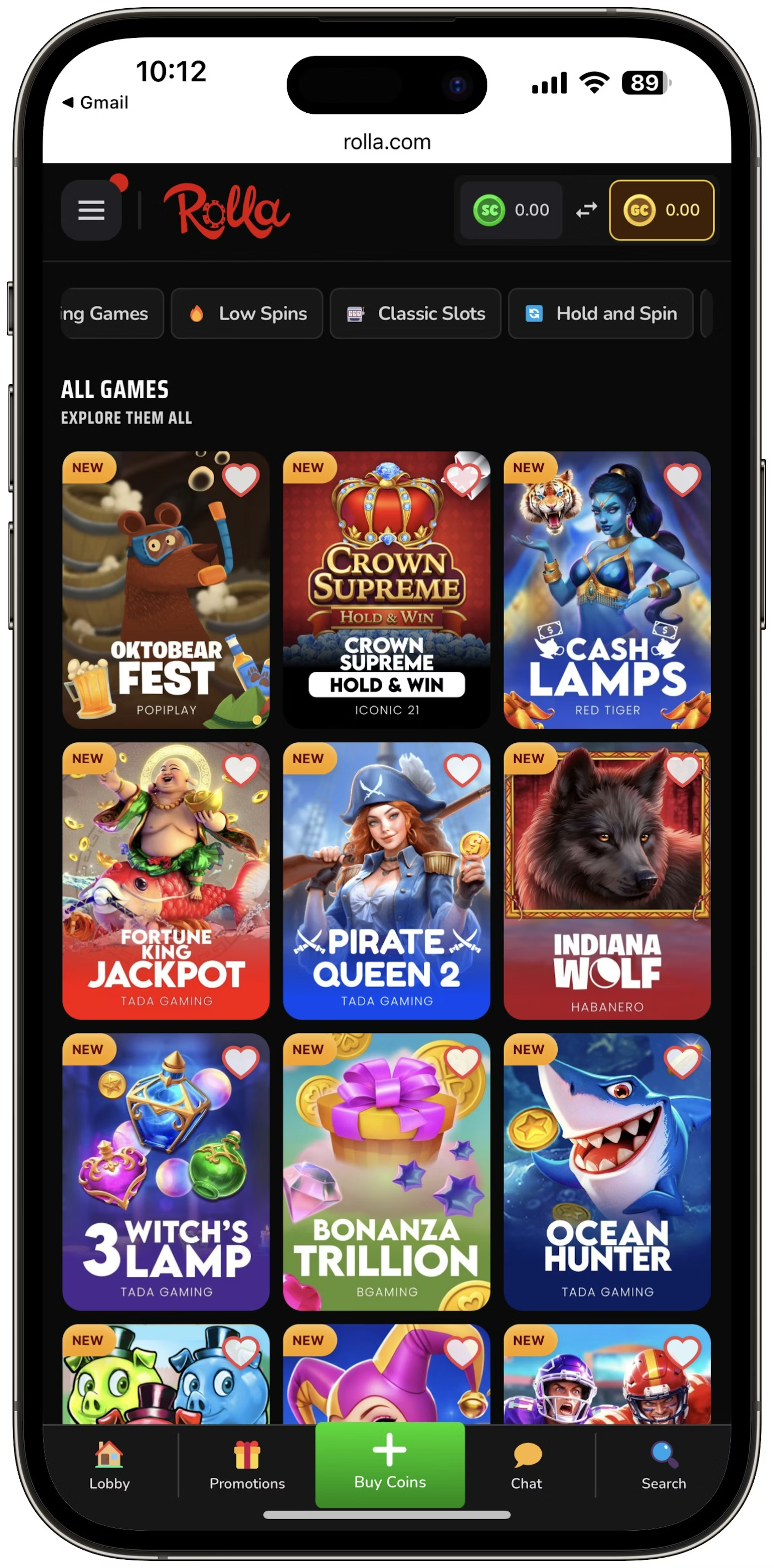
app 1

Imagine you’re on a short break and you want a clean session. You open the app, then you realize you’re not sure where the activity log is, or you can’t remember whether you set a deposit cap. Now the session starts with irritation, and irritation is a bad fuel for gambling decisions.

In 2026, the best approach is to treat the first day as two separate tasks: set up the app and account, then play. If you try to install, register, deposit, and test five games in one rush, you’ll end up with a blur of actions and very little confidence. If you separate it, you’ll feel in control.

A simple idea that works: make the app “quiet.” Quiet means you know where to look for balance, history, and limits. Quiet means you can stop without hunting. Quiet means your future self won’t hate your past self.

A Three-Minute Pre-Session Ritual

Open the app and locate three places: account settings, cashier, and activity history. Then set a timer for your first play block. Finally, do a short test run and exit on purpose.

Picture this: you only meant to play five minutes, but you don’t set a timer, and the phone keeps offering “one more.” The ritual prevents that drift and makes the session feel intentional.

One Device, One Session, Less Confusion

Pick one primary device for your session. Switching between phone and another device mid-session is how people forget what they activated and where they saw confirmations.

Imagine you move from your phone to a tablet “just to continue.” Suddenly you’re not sure which device shows the latest status. Staying on one device keeps your story clean.
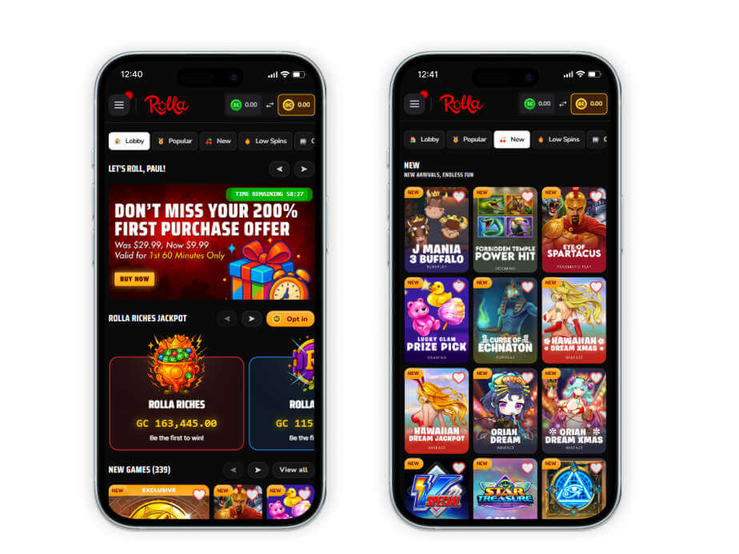
app 2

Rolla Casino App: Installation Without Stress

Installation should feel boring. That’s a compliment. Boring means predictable, and predictable means fewer surprises later. Before you install, check the basics: stable connection, enough storage, and updated system. These are the boring checks that prevent the annoying problems.

Imagine you install while your phone is nearly full and an update is running in the background. The app opens slowly, you tap twice, and now you’re uncertain. A quick device check stops this chain before it starts.

After installing, don’t rush into play. The first open is for navigation: find settings, find cashier, find history, then close the app once and reopen. That restart confirms the app feels stable on your device.

In 2026, stability is part of responsible play. If your app is glitchy, your decisions get rushed. If your app is smooth, your decisions stay calmer. That difference is bigger than most people think.

Permissions And Notifications: Keep Only What Helps

On mobile, permissions shape the experience. You don’t need to approve everything automatically. Keep what supports you: security alerts and status updates can be useful. Cut what pulls you in without purpose.

Picture this: your phone buzzes with notifications and you open the app on autopilot. Ten minutes later you’re still there, and you never planned to play. Reducing non-essential alerts helps you return by choice, not reflex.

Also, if you’re easily distracted, use do-not-disturb during a planned play block. You don’t need to live in do-not-disturb. Even 15 minutes of focus can improve your decisions.

Account Basics: Register, Verify, And Stay Consistent

Account setup is where many people create future friction. The key is consistency. Use accurate details, confirm your contact methods, and avoid making constant edits later. A stable account makes payments and support interactions smoother.

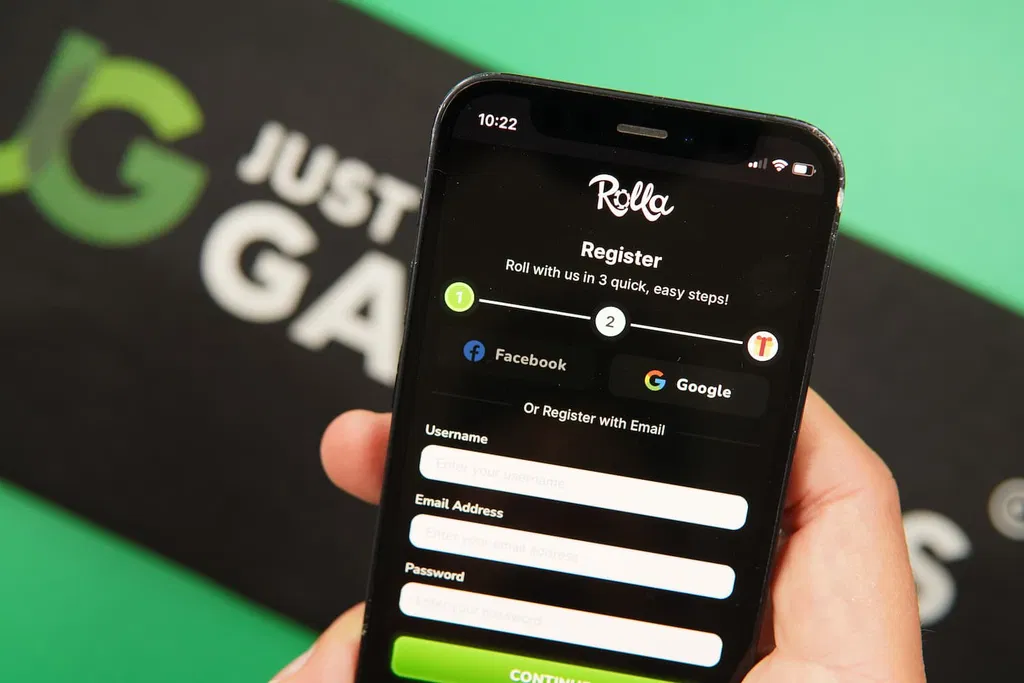
app 3

Imagine you sign up quickly, then later you notice a small detail and change it right before you deposit or withdraw. The timing is the problem, not the change itself. Adjust details when you’re not in the middle of important actions, then keep the profile stable while you play.

In Canada, access is intended for legal-age users and should follow applicable rules. Practically, that means you keep gambling in the “entertainment” lane. If you’re stressed, tired, or chasing emotions, the best move is to shorten the session or take a pause.

Verification is best done when you’re calm and connected to stable internet. If you try to rush it, you end up re-uploading documents, repeating steps, and building frustration. Do it once, carefully, and move on.

Limits First: Budget, Time, And Break Tools

Limits are not a lecture. They’re a shortcut to a calmer session. Set a deposit cap, a loss limit, and a session timer. On mobile, these three are especially powerful because the phone makes it easy to keep tapping.

Imagine you tell yourself “I’ll stop soon.” Soon stretches. A timer doesn’t stretch. It ends the block and forces a decision: new block or stop.

Timeouts and self-exclusion are there for when you need a reset. A timeout is a quick break when you feel rushed. A longer break is for patterns that repeat across days. They’re practical tools, not drama.

Password And Device Security That Actually Works

Use a strong unique password and keep your phone locked. If you ever log into another device, log out when you’re done. Small habit, big peace of mind.

Picture the classic scenario: you sign in on a shared device and forget to log out. Later you feel uneasy, and that unease bleeds into your play. Device discipline prevents that.

Games On Mobile: How To Keep Sessions Human

Mobile sessions are best in short blocks. The phone lives in distracted spaces: couch sessions, short breaks, late-night scrolling. That environment makes it easy to drift. A block-based plan keeps play realistic.

Imagine you open the app while waiting for something and you have no plan. That’s when autoplay behavior begins. Instead, decide: is this a micro-test or a real block? Micro-test means a few minutes, then exit. Real block means timer, stable stake, and a clear stop rule.

Another habit that keeps sessions human is stake stability. Changing stakes mid-block is usually emotional. If you want to change your stake, finish the block, take a two-minute break, then start a new block with the new level. That separation protects you from impulse.

In 2026, the most adult way to play is to plan your exit as clearly as your entry. Your exit is the part where you check activity once, close the app, and do something else. Without an exit plan, you keep negotiating with yourself.

A Simple Two-Block Plan For Beginners

Block one is a warm-up: small stakes, short time, learn the feel. Block two is the main block: steady stake, no constant tweaking, timer ends it.

Picture yourself wanting to continue because “it’s finally getting interesting.” If the timer ends, you take a short break first. That break turns continuation into a choice instead of a reflex.

What To Do When You Feel The Urge To Chase

Chasing feels like “fixing the session,” but it usually makes the session worse. When you notice faster tapping, irritation, or the urge to raise stakes to change your mood, stop and take a break.

Imagine you think you’re one spin away from turning it around. That thought is the trap. A timeout breaks the loop and gives you space to decide calmly.

Cashier On Phone: Deposits, Withdrawals, And Clarity

The cashier is where mobile mistakes happen. The screen is small, the connection can lag, and your thumb is fast. The best rule is simple: tap once, then verify status in your activity history before you repeat anything.

Imagine you deposit and the confirmation wheel spins for a second. You tap again, and now you’re uncertain. Activity history is your anchor. Check it first.

Use one primary payment method for a session. Switching methods repeatedly creates confusion and can trigger extra steps. If you want to test a new method, do it as a separate “setup day” task, not in the middle of a promotion or a long play session.

Withdrawals are smoother when your account details are stable. Avoid editing profile data right before requesting a withdrawal. If you need to make changes, do it earlier, then return later with a settled account.

Here’s a practical mobile cashier checklist that keeps your actions clean:

Cashier Task

What To Check

Where To Confirm

Why It Helps

Deposit

Amount and method

Confirmation screen

Prevents quick errors

Status

Pending or completed

Activity history

Avoids duplicates

Method

One primary choice

Cashier settings

Keeps flow predictable

Limits

Spend and time caps

Control tools

Reduces impulse top-ups

Profile

No edits during requests

Account settings

Minimizes extra checks

Small Test Deposit Before A Long Session

A small test deposit builds confidence. You see how quickly the status updates, where it appears, and how your phone handles the flow. Then, when you’re ready for a longer session, you’re not guessing.

Imagine your weekend session starts with a cashier surprise. That’s the fastest way to ruin the mood. A small test earlier prevents that.

Withdrawal Requests Without Panic

Send one withdrawal request, then wait for a status update. Don’t send multiple requests because you feel impatient, and don’t make account edits while the request is pending.

Picture this: you submit a request, then you start “fixing” things by changing settings. That adds noise. The calmer approach is submit, check history, and only contact support if the status doesn’t move after a reasonable wait.

What To Do If A Status Looks Stuck

Don’t spam actions. Note the approximate time, refresh once, and check history again. If it remains unchanged, contact support with facts: device used, action taken, and the status you see.

Imagine trying five random fixes in a row. Later you can’t explain what happened, and support can’t help quickly. One attempt, one check is cleaner.

Support And Troubleshooting: Faster Fixes With Clear Details

Support goes faster when you describe your path, not your feelings. “It doesn’t work” creates a long checklist reply. “I did A, then B, now I see C” creates a targeted answer.

Imagine you’re frustrated and you start tapping around to fix the issue. Five minutes later, you can’t remember what you changed. Stop, check activity history, then write a short message with the key details.

In 2026, the smartest troubleshooting habit is to avoid troubleshooting while angry. Close the app, take a breath, then return. You’ll make fewer mistakes and communicate more clearly.

Also, don’t stack changes. If you’re troubleshooting a cashier issue, don’t also change payment methods and edit profile details at the same time. One variable at a time.

A Three-Line Message That Gets Answers

Line one: what you tried. Line two: what you saw. Line three: what you expected. Add device type and approximate time.

Picture yourself reading your message tomorrow with no context. If it’s still clear tomorrow, it will be clear to support today.

FAQ

Set a timer, choose a budget cap, and decide your stop rule before the first spin. Imagine you rely on “I’ll stop soon,” soon becomes elastic. A short block with a clear exit, followed by closing the app on purpose, keeps the session controlled and realistic.

Close the app fully, stabilize your connection, and reopen after checking for updates. Imagine you keep tapping while the screen lags, you create uncertainty about what you confirmed. After reopening, check activity history to see the real status of your actions before you try again.

Tap once, then verify status in your activity history before repeating anything. Imagine the confirmation wheel spins and you tap again out of impatience, that’s where duplicates and confusion start. Keeping one payment method for the session and reading the confirmation screen slowly helps a lot.

Use it when you notice faster tapping, irritation, or the urge to chase outcomes. Imagine you’re playing to change your mood rather than for entertainment, that’s a signal. A timeout breaks the loop and gives you space to return calmly or stop for the day.

Make sure your account details are consistent, your chosen method is ready, and you’re not planning to edit profile settings during the request. Imagine you change details right after submitting, it can add extra checks and slow the process. Submit once, then check history for status updates.

Send a short factual note with device type, approximate time, the action you took, and the exact status you see. Imagine a vague message like “it failed,” it leads to a long back-and-forth. A clear timeline helps support give a specific fix instead of generic steps.

Use short blocks, keep limits active, and don’t play when you’re tired or upset. Imagine opening the app out of boredom and staying longer than planned, that’s how habits form. A timer, a budget cap, and a deliberate exit routine keep the experience lighter and more controlled.

🇬🇧 English